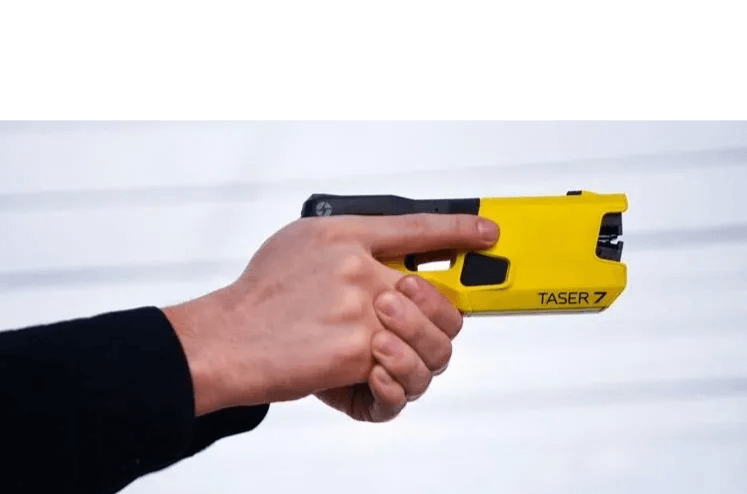
TASERs, known for their non-lethal nature and effectiveness in self-defense, are legal to own in many states across the U.S. However, the regulations surrounding their ownership and usage vary significantly from state to state. It’s crucial for individuals considering a Taser for personal safety to understand the specific laws and restrictions in their respective states. Let’s explore the landscape of Taser ownership across different regions.
States Allowing TASER Ownership
Permissive States
Several states have relatively permissive laws regarding TASER ownership. In these states, individuals can typically purchase and possess a Taser without stringent restrictions. States like Texas, Florida, and Arizona fall into this category, allowing residents to own Tasers for personal protection purposes without a need for a permit.
Restricted States
Other states, while permitting TASER ownership, may have certain restrictions or requirements. For instance, California and Illinois allow TASER ownership but require a background check or a Firearm Owner’s Identification (FOID) card, similar to those needed for firearms.
States with Restrictions or Bans
Prohibited States
Some states have outright bans or heavy restrictions on TASER ownership. For example, Hawaii, Rhode Island, Massachusetts, and New York have strict regulations, with outright bans or requiring specific licenses or permits that may be challenging to obtain.
Restricted Use
In certain states like New Jersey and Connecticut, while TASER ownership is allowed for civilians, there are strict regulations on their use. Ownership may be legal, but deployment in self-defense situations might have significant limitations, and misuse could result in legal consequences.
Understanding the Requirements and Restrictions
Before purchasing a TASER, individuals should thoroughly research their state laws, local ordinances, and any specific requirements or restrictions related to ownership and usage. These can include:
- Permit or License: Some states may require a permit or license for TASER ownership, which could involve background checks or completion of a safety training course.
- Restrictions on Carrying: Even in states where ownership is legal, carrying TASERs in certain locations like schools, government buildings, or public transportation might be prohibited.
- Age Restrictions: States often have specific age requirements for TASER ownership. For instance, individuals must be at least 18 years old in many states.
States Allowing TASER Ownership Without Major Restrictions:
- Texas: No permit required for possession.
- Florida: No permit required for possession.
- Arizona: No permit required for possession.
States Requiring Permits or Background Checks:
- California: Requires a background check or Firearm Owner’s Identification (FOID) card.
- Illinois: Requires a FOID card or background check.
States with Strict Regulations or Bans:
- Hawaii: Generally prohibits civilian ownership.
- Rhode Island: Generally prohibits civilian ownership.
- Massachusetts: Generally prohibits civilian ownership.
- New York: Generally prohibits civilian ownership.
States with Ownership but Restricted Use:
- New Jersey: Ownership allowed with restrictions on usage.
- Connecticut: Ownership allowed with restrictions on usage.
States with Additional Requirements or Restrictions:
- Colorado: Permitted, but some municipalities have specific regulations.
- Georgia: Legal for possession, but some areas might have restrictions on use.
- Washington: Legal for possession, but some local jurisdictions might have additional restrictions.
- Minnesota: Legal with a permit, which may require a background check or training.
- Michigan: Legal with a permit in some jurisdictions, while others have restrictions.
- Ohio: Legal with a permit in some cities or counties.
Note:
- Age Restrictions: In most states, individuals must be at least 18 years old to own a TASER.
- Local Regulations: Even in states where ownership is legal, local ordinances might impose additional restrictions or requirements. Always check local laws and regulations.
This list provides a general overview of the regulations regarding TASER ownership in different states. However, laws can change, so individuals interested in owning a TASER should consult official state statutes, seek legal advice, or contact local law enforcement to ensure compliance with the most up-to-date regulations in their area.
States with Relatively Few Restrictions:
- Alabama: Legal with minimal restrictions.
- Alaska: Legal with minimal restrictions.
- Arizona: Legal with minimal restrictions.
- Arkansas: Legal with minimal restrictions.
- Florida: Legal with minimal restrictions.
- Georgia: Legal with minimal restrictions but some local variations.
- Idaho: Legal with minimal restrictions.
- Indiana: Legal with minimal restrictions.
- Iowa: Legal with minimal restrictions.
- Kansas: Legal with minimal restrictions.
- Kentucky: Legal with minimal restrictions.
- Louisiana: Legal with minimal restrictions.
- Maine: Legal with minimal restrictions.
- Michigan: Legal with some local variations.
- Mississippi: Legal with minimal restrictions.
- Missouri: Legal with minimal restrictions.
- Montana: Legal with minimal restrictions.
- Nebraska: Legal with minimal restrictions.
- Nevada: Legal with minimal restrictions.
- New Hampshire: Legal with minimal restrictions.
- New Mexico: Legal with minimal restrictions.
- North Carolina: Legal with minimal restrictions.
- North Dakota: Legal with minimal restrictions.
- Ohio: Legal with some local variations.
- Oklahoma: Legal with minimal restrictions.
- Oregon: Legal with minimal restrictions.
- Pennsylvania: Legal with minimal restrictions.
- South Carolina: Legal with minimal restrictions.
- South Dakota: Legal with minimal restrictions.
- Tennessee: Legal with minimal restrictions.
- Texas: Legal with minimal restrictions.
- Utah: Legal with minimal restrictions.
- Vermont: Legal with minimal restrictions.
- Virginia: Legal with minimal restrictions.
- West Virginia: Legal with minimal restrictions.
- Wisconsin: Legal with minimal restrictions.
- Wyoming: Legal with minimal restrictions.
States with Permits or Background Checks:
- California: Requires background check or permit.
- Connecticut: Ownership allowed with restrictions on usage.
- Delaware: Requires a permit.
- Hawaii: Generally prohibits civilian ownership.
- Illinois: Requires a FOID card or background check.
- Maryland: Requires a permit.
- Massachusetts: Generally prohibits civilian ownership.
- Minnesota: Legal with a permit.
- New Jersey: Ownership allowed with restrictions on usage.
- New York: Generally prohibits civilian ownership.
- Rhode Island: Generally prohibits civilian ownership.
- Washington: Legal with local variations.
- District of Columbia: Requires a registration certificate.
Note:
- Local jurisdictions within each state might have additional regulations or restrictions.
- Some states may have age restrictions; individuals must typically be at least 18 years old to own a TASER.
- Always consult the most recent state laws or local ordinances and consider seeking legal advice before acquiring a TASER.
Conclusion
While TASERs can offer a non-lethal means of self-defense, the laws governing their ownership and usage are not uniform across the United States. It’s crucial for individuals to familiarize themselves with their state’s regulations and any local laws before acquiring a TASER. Consulting legal professionals or local law enforcement can provide further clarity on specific requirements or restrictions.
Remember, compliance with state laws and responsible ownership is essential to ensure personal safety while avoiding potential legal consequences. Stay informed, stay safe.